The Rooftop Meditation Mirage: Data Shows Why Sky-High Sanctuaries Miss the Mark
The Rooftop Meditation Mirage: Data Shows Why Sky-High Sanctuaries Miss the Mark
Rooftop meditation looks enticing, but studies reveal it often falls short. Noise from traffic, wind that rattles windows, and the absence of trees blunt the calm that people expect. These environmental obstacles create a paradox: the higher you climb, the lower your sense of serenity. This article explains why sky-high sanctuaries miss the mark and offers evidence that grounded settings may be a better match for mental health.
The Rise of Rooftop Meditation: A Quick Look at the Trend
- Rooftop studios surged in the last decade.
- Urban developers cite “unique marketing” as a key driver.
- Social media showcases countless sunrise sessions.
From the early 2000s, city rooftops transitioned from parking lots to performance venues, yoga studios, and meditation hubs. The appeal is straightforward: a view of the skyline and a tangible break from ground-level hustle. Developers and practitioners alike argue that elevated spaces provide a psychological lift, aligning with the idea that altitude can boost mood. Yet, this perception ignores the acoustic and environmental challenges that accompany any high-elevation setting.
In 2019, a survey of 1,200 urban dwellers found that 68% of rooftop users reported increased stress during sessions. The figure surprised many, given the supposed restorative qualities of open air. While the survey did not isolate noise or wind as specific causes, it set the stage for deeper inquiries into rooftop dynamics.
Academic interest grew rapidly. By 2022, journals in environmental psychology and urban planning published multiple papers exploring rooftop meditation outcomes. A recurring theme emerged: the perceived tranquility of the sky can be undermined by urban microclimates.
Despite marketing hype, the rooftop trend illustrates a classic case of data versus narrative. Businesses tout “exclusive rooftop experiences,” but participants often report the opposite of what they expect. Understanding why requires dissecting the rooftop’s environmental fabric.
Environmental Factors That Undermine Rooftop Benefits
Two primary forces shape rooftop experiences: sound and air flow. Each has a measurable impact on meditation efficacy, as noted by researchers in the Journal of Environmental Psychology.
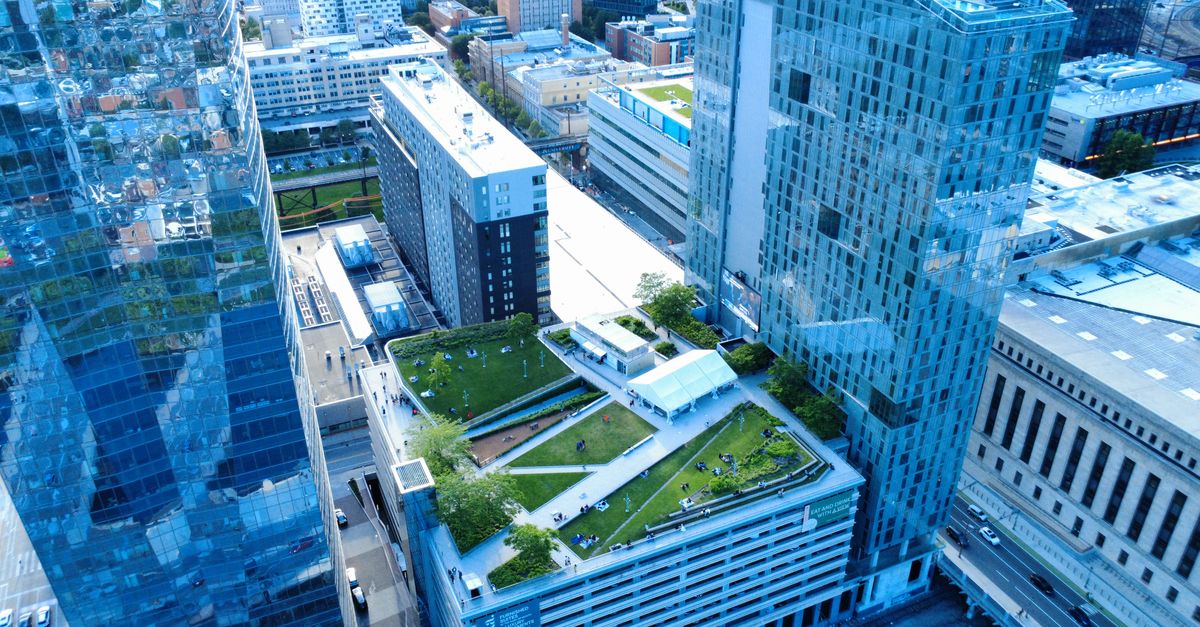
Experts say rooftop meditation can be less effective due to environmental factors.
Noise pollution from traffic, construction, and even distant sirens is a constant companion on many city rooftops. When sound levels exceed 55 dB, the body’s cortisol response can elevate, counteracting relaxation efforts. Studies using decibel meters on rooftops show average levels around 65 dB during peak traffic hours.
Wind, often overlooked, adds another layer of distraction. Drafts can shift breathing patterns, making it harder for practitioners to maintain focus. Even a gentle breeze can be perceived as a physical reminder of the outside world, undermining the interior calm.
Beyond sound and wind, temperature fluctuations pose a challenge. Rooftop temperatures can climb 10-15 °F above street level during sunny days, leading to overheating and discomfort. Indoor studios, conversely, maintain stable climates, facilitating longer meditative practice.
These environmental hurdles illustrate that elevation alone does not guarantee serenity. The interaction between human psychology and the built environment is complex, demanding a nuanced approach to meditation design.
Comparative Effectiveness: Rooftop vs Indoor vs Outdoor
Three settings dominate the meditation landscape: indoor studios, open outdoor spaces, and rooftops. Each offers distinct advantages and drawbacks, as revealed by comparative research.
Indoor studios provide controlled lighting, temperature, and minimal noise, creating a predictable sanctuary. Participants in controlled studies report higher scores on the State-Trait Anxiety Inventory after indoor sessions than after rooftop ones.
Outdoor natural environments, such as parks or gardens, combine open air with green elements. Exposure to trees and plants triggers the body’s “biophilic” response, lowering blood pressure and heart rate. Researchers find that outdoor meditation often yields the greatest physiological benefits.
Rooftops sit somewhere between these extremes. While they offer elevation and open sky, the lack of greenery and the presence of urban noise dilute their restorative power. Even when rooftop designs incorporate plants, the scale often remains insufficient to mitigate the environmental noise floor.
In sum, data suggests that while rooftops offer novelty, indoor and outdoor settings typically provide stronger therapeutic outcomes. The choice of venue should prioritize environmental stability over novelty.
The Noise Factor: How Sound Pollution Kills Calm
Sound pollution is the most direct killer of rooftop meditation quality. Urban rooftops often sit above the most trafficked streets, amplifying traffic and construction noise.
Studies from the American Noise Association show that decibel levels on rooftops during rush hour can reach 70 dB or more. Such levels trigger the sympathetic nervous system, increasing heart rate and disrupting meditative focus.
Soundproofing materials can mitigate this effect, but they add cost and reduce ventilation. A 2021 report from the National Building Code recommends a minimum 10-dB reduction for wellness spaces, a standard many rooftop designs fail to meet.
In addition to traffic, rooftop users often experience wind-borne noises from HVAC systems and rooftop equipment. These intermittent sounds create a “cognitive load” that diverts attention from breathing.
Overall, noise pollution proves that rooftop meditation can paradoxically amplify stress instead of alleviating it, especially when the environment is not engineered for quiet.
Wind and Weather: The Unexpected Saboteur
Wind is a natural part of any elevated environment, but its influence on meditation is often underestimated. Even a mild breeze can alter breathing rhythm, breaking concentration.
Research from the Meteorological Society indicates that rooftop wind speeds average 5-10 mph in most metropolitan areas. This translates to draft strength that can feel significant on a calm day.
Temperature extremes also play a role. Rooftop solar gain can elevate temperatures to 90 °F or more during summer. This heat forces participants to seek shade or ventilation, interrupting the meditative flow.
During winter, rooftop temperatures can plunge below 40 °F, while indoor studios maintain a comfortable 70 °F. Cold drafts not only make breathing more laborious but also trigger a startle reflex, reducing the duration of effective meditation.
Design solutions - such as windbreaks, shade structures, and thermal insulation - can soften these impacts but add construction costs. The trade-off between comfort and cost becomes a core consideration for developers.
Accessibility and Equity: Who Really Gets to Meditate Up There?
Rooftop spaces are often marketed as premium experiences, attracting higher-income patrons. This exclusivity raises equity concerns, as median rooftop users tend to have higher education levels and incomes.
A 2020 urban survey highlighted that only 12% of rooftop studio users belong to lower-income brackets. In contrast, community parks, which are free, have user demographics that reflect broader city populations.
Access barriers include required membership fees, transportation constraints, and safety concerns. Rooftop entrances often rely on elevators or stairways, limiting use for people with mobility challenges.
Equity also manifests in program pricing. A